AI is making more and more parts of business faster, cheaper and easier to repeat. Writing got there first. Emails can be written and answered automatically, often well enough that nobody notices the difference.
As more communication becomes automated, value starts to move towards the things that still depend on people being present, paying attention and trusting each other.
LinkedIn is already full of text written by bots for other bots. Cold outreach is losing its power, and most companies can already see it in their pipelines. A qualified click can now cost more than having lunch with the person you were trying to reach, while leaving much less of an impression.
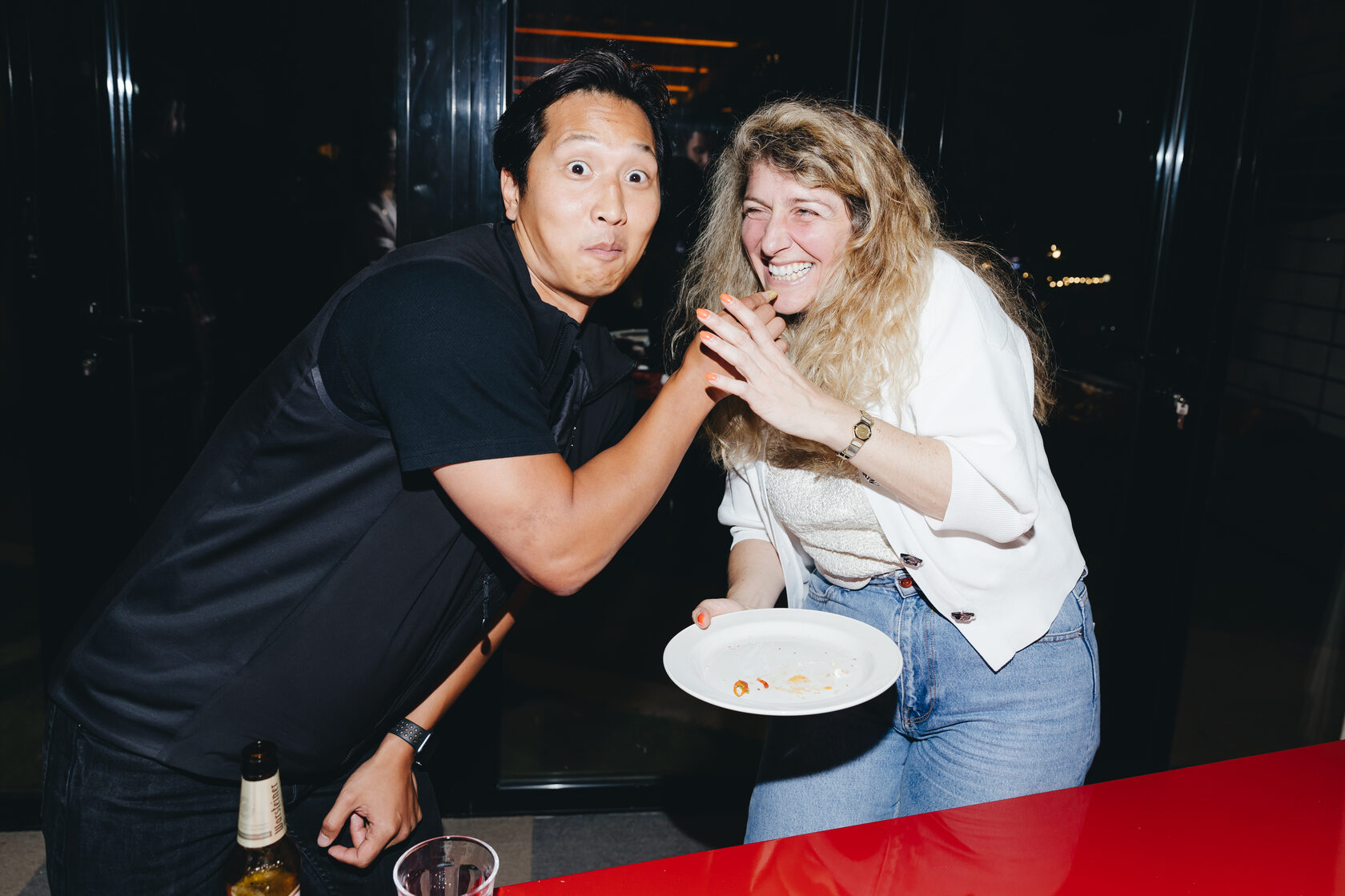
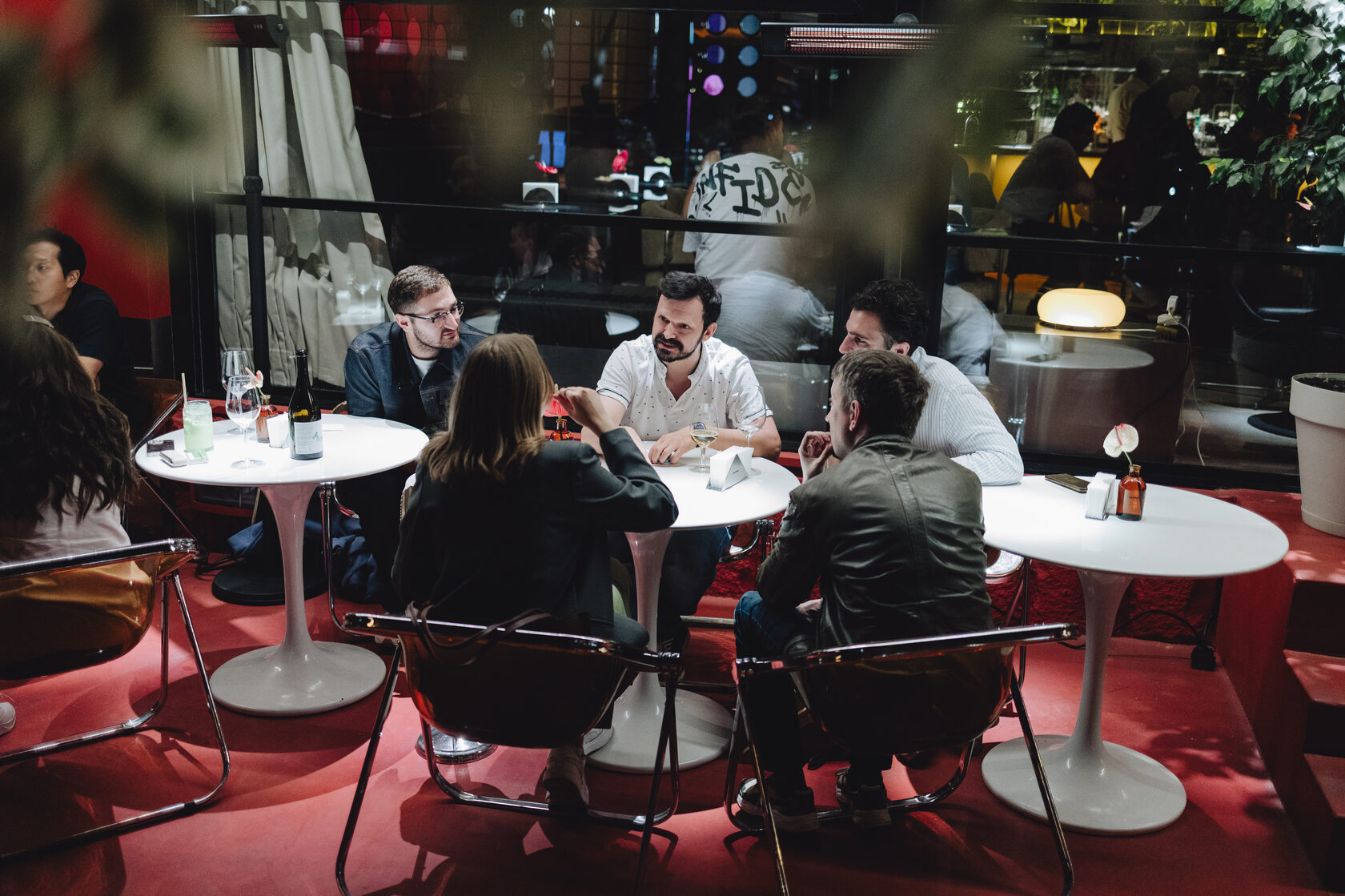
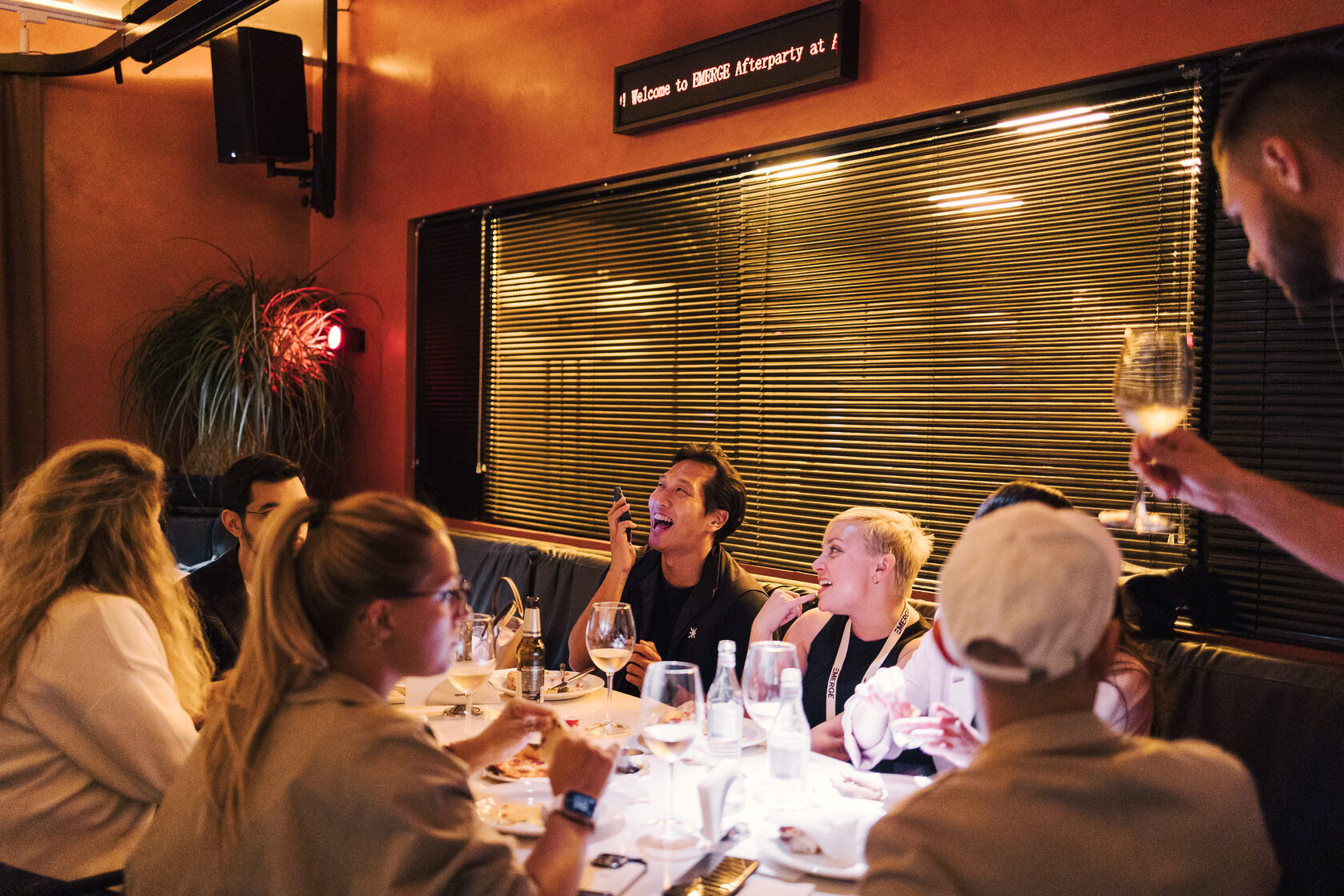
What still cannot be generated is two people sitting at the same table, talking long enough for one of them to think, “I’d work with them.”
A live meeting is no longer just another line in a marketing budget. It is becoming one of the few channels that still creates real relationships and real deals. Demand has already changed, but most event formats have not. Companies are still being sold a speaker on a stage when what they often need is the right person sitting beside them.
Once you accept that the room itself matters, the next question is how to build it properly.
Most companies start by hiring someone in-house. One experienced events person joins the team and, on paper, the problem looks solved. Six months later they are running their fourth event of the year, working with the same internal circles, and the invitations have started to feel too familiar. It is very hard to keep a network fresh when you are building it from inside one company.
Others run a tender. Nine agencies answer the same brief, and the winner is often the one that is best at answering briefs. The process naturally rewards the agency that understands procurement, which is not always the same thing as understanding who should actually be in the room.
Some companies simply buy production. The stage is ready on time, the lighting looks good and the catering is better than last year. All of that matters, but it comes after the more important questions of why these people should be there, why they should meet now and what should happen because they were together.
Then there is the newest option, which is spending an evening with ChatGPT and building the event yourself. The model has read about almost every event ever held, but it has never met the people you want at your table. We have spent the last ten years doing exactly that.
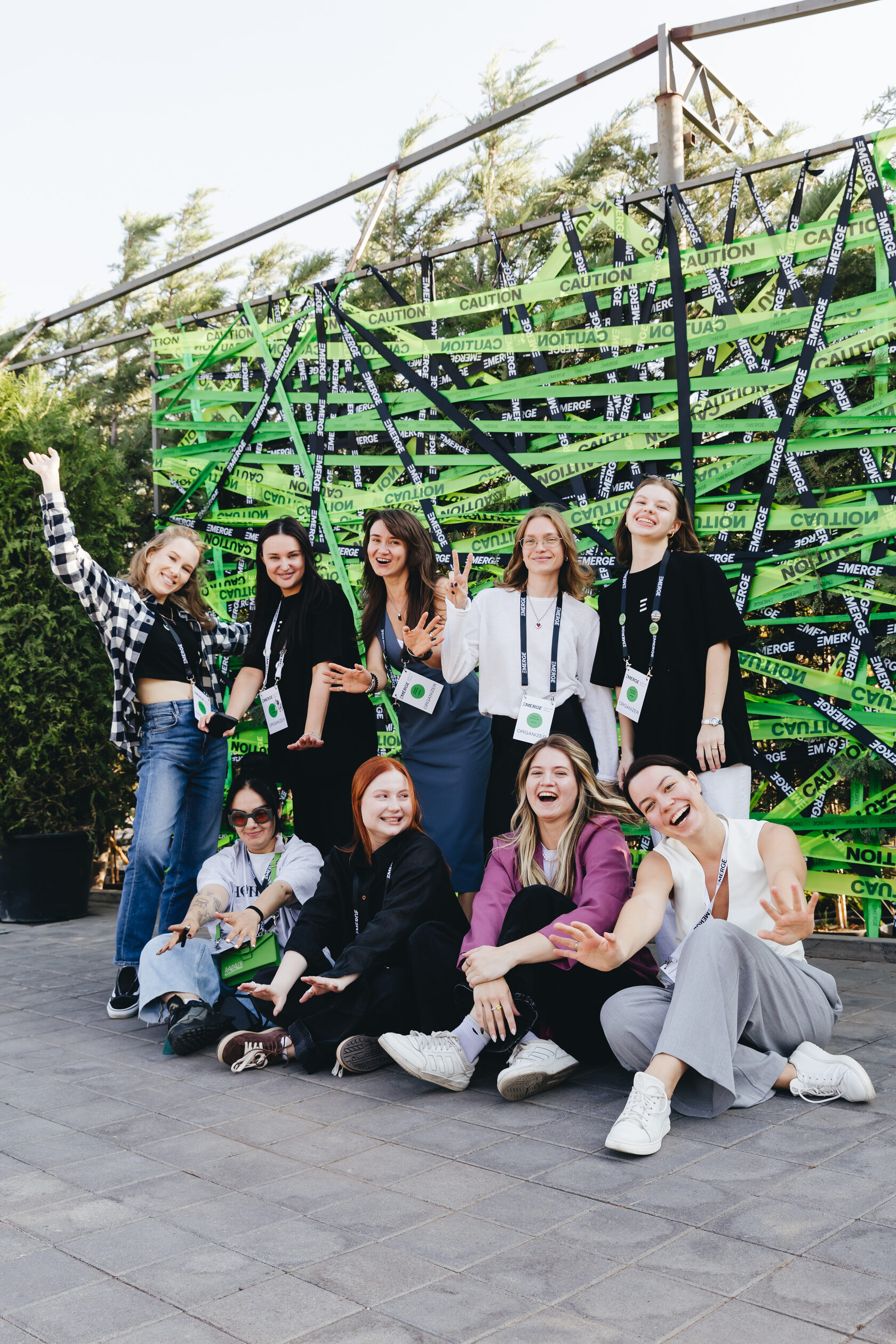
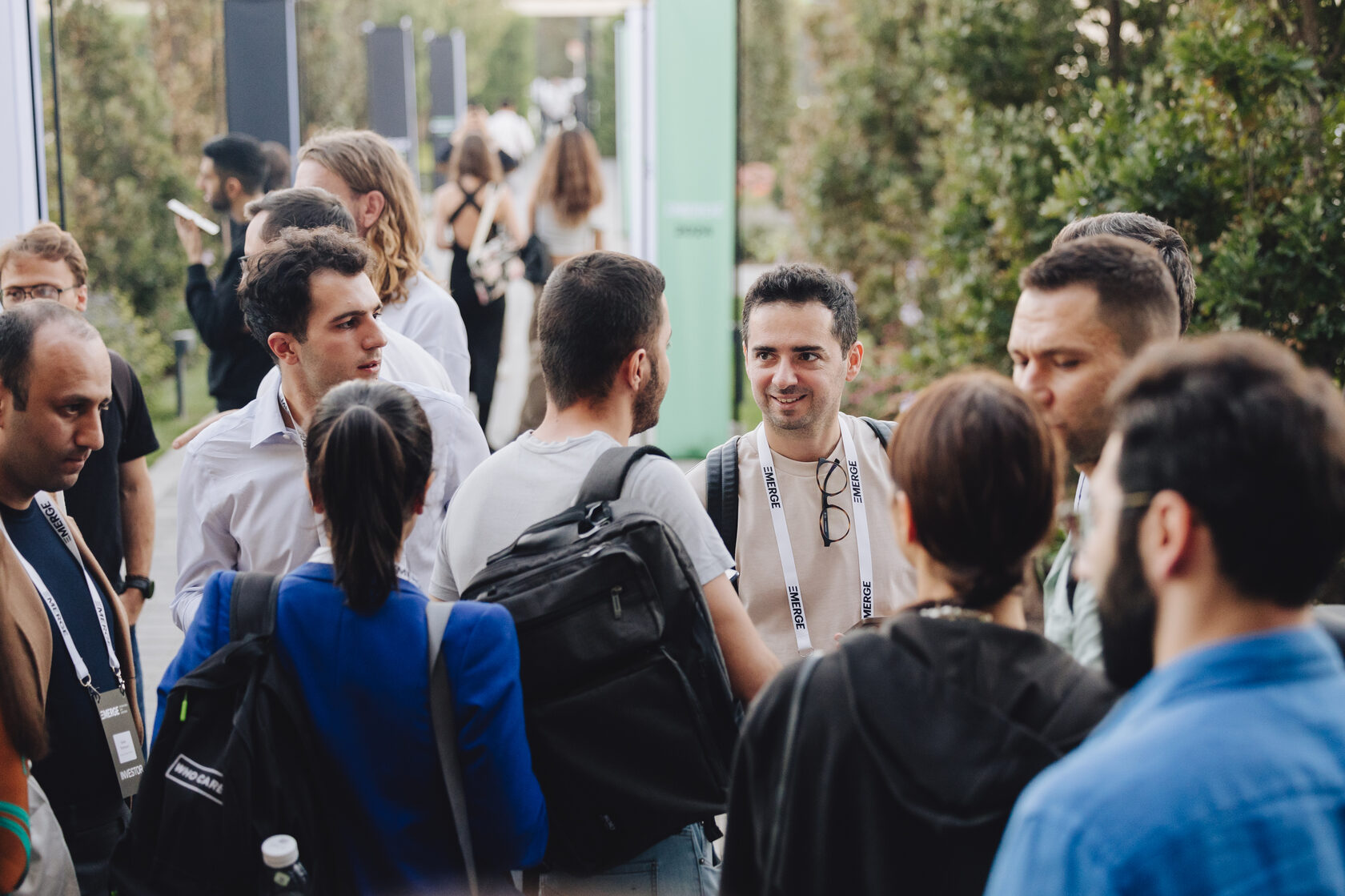
For ten years, we have been putting corporations, funds and founders in the same room. Sometimes that means a dinner for five people and sometimes it means a conference for thousands. We have done it in London, Berlin and San Francisco, as well as Cape Town, Dubai and Mexico City.
Over that time, we built something more useful than a portfolio. We built access to founders, investors, operators and C-level people across tech who would otherwise take months and several warm introductions to reach. We know who to call, and in most cases they answer.
Access like that takes time to build. Ours came out of years of work, introductions and favours we still remember. We charge accordingly, and we would rather turn down a brief than use that access badly.
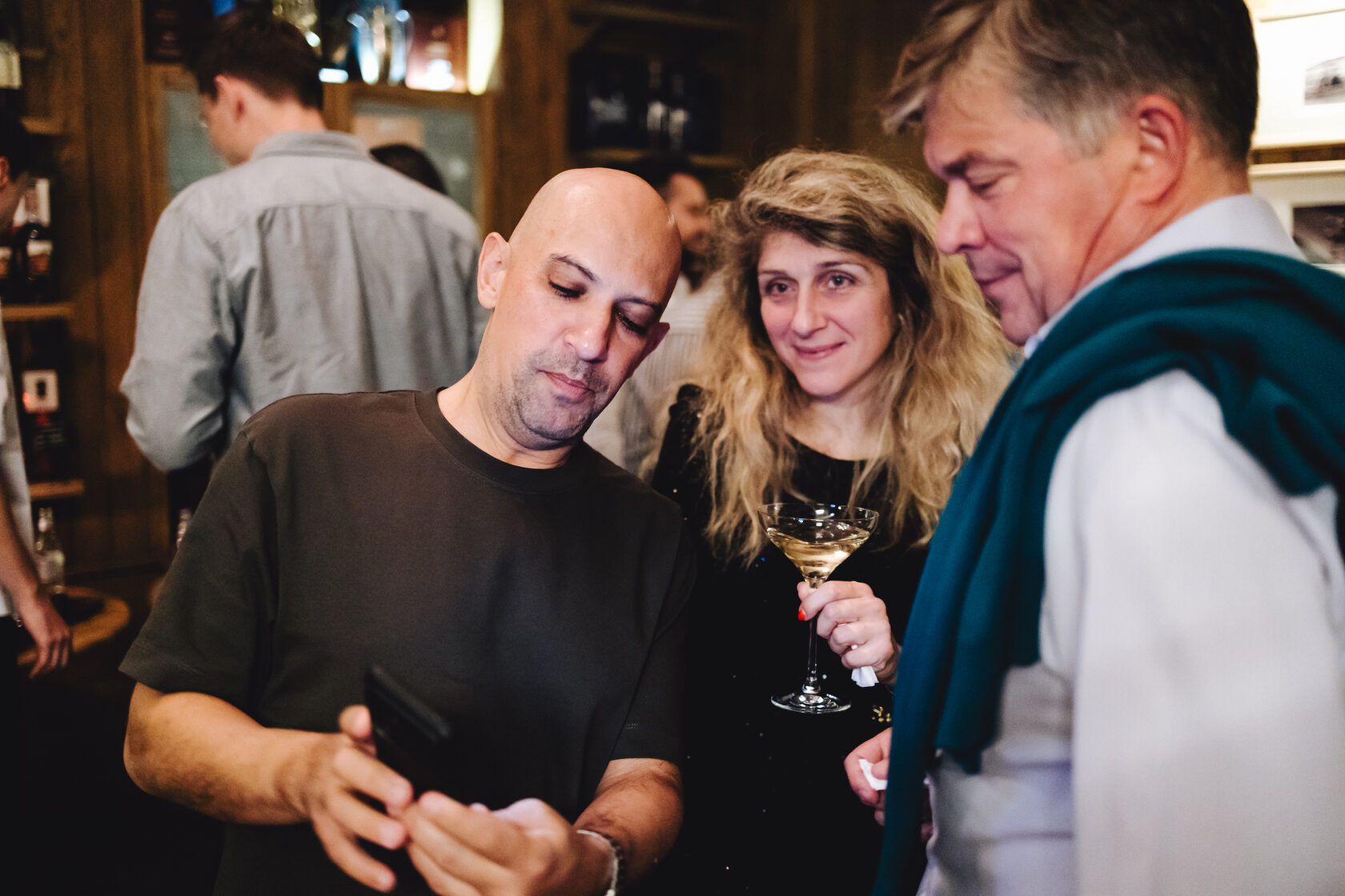
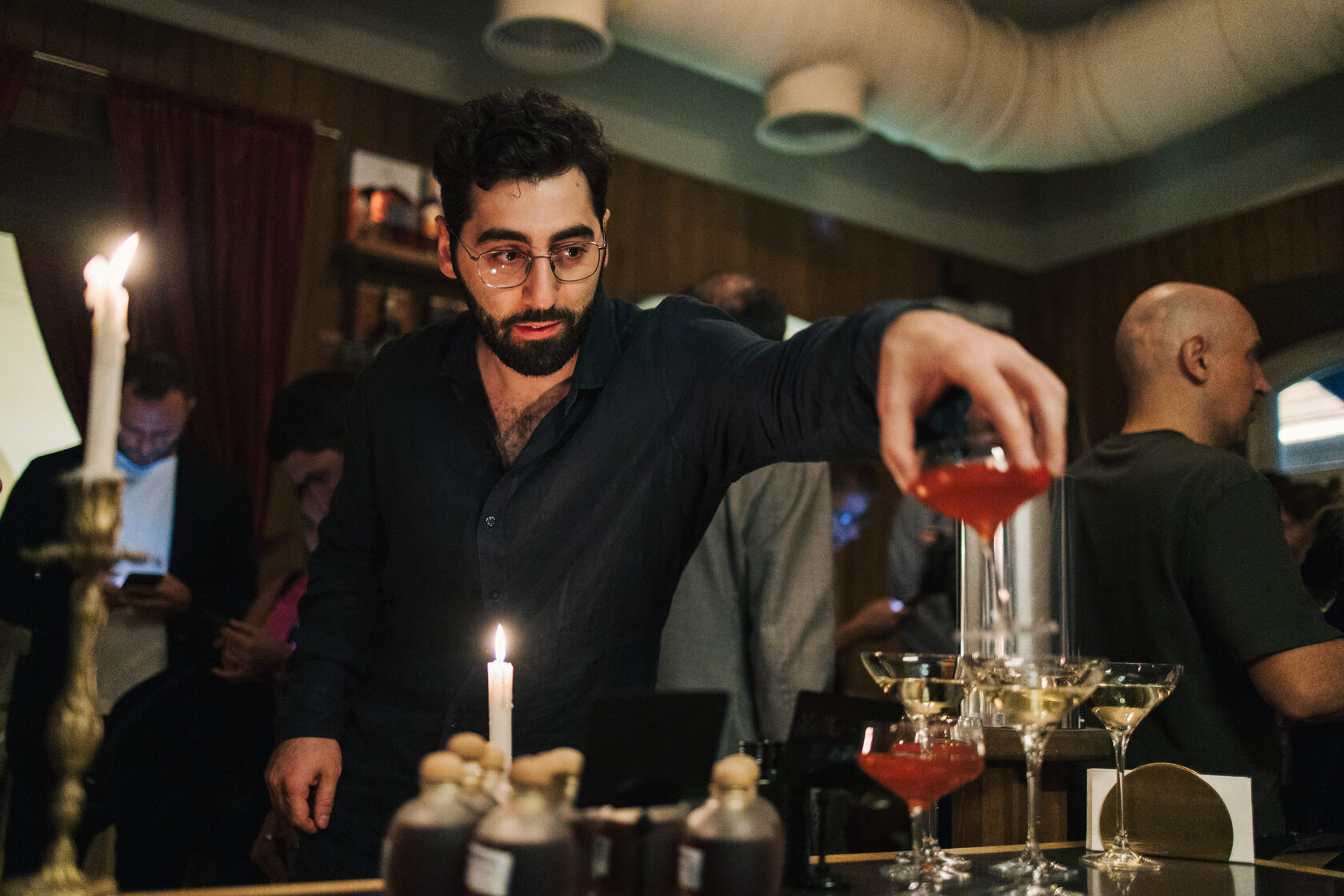
That network allows us to create rooms where people do not feel that they are being sold to. When the right people are there for the right reason, they put their phones down, start talking naturally and often connect before anyone has formally introduced them.
We can bring someone into the room who has not replied to a cold email in years. We can also create formats that would be difficult for anyone else to copy, simply because we know the people who can make them work.
Behind the scenes the work is deliberately much duller. Processes are written down, roles can be handed over and nothing depends on one person’s memory of what happened last time. We have made every repeatable part of the work as structured as possible so that the part that cannot be repeated has room to happen. Surprises are welcome in the programme, but not in the budget.
We also do not see the relationship as simply client and supplier. We think about what you personally need to deliver on the project, where your company is going and what is happening around you while all of this is being done. Your week matters, your stress matters and, yes, your holiday in August matters too. That is one of the reasons clients stay with us for years rather than for a single project.
Every serious event comes with a certain amount of fear. A few weeks before it happens, there is usually a moment when someone starts wondering whether the right people will actually come, whether everything will be ready and whether the whole thing will stand up in front of the board.
Our job is to take as much of that pressure away as possible. Whether there are five people in the room or fifty thousand, the people there should be the people you actually needed. They should be chosen because of who they are and what they can bring, not because they happened to match a filter in a database.
From there, people do what people are good at. Trust can turn an introduction into a relationship, and over time that relationship can become a partnership, an investment, a hire or a deal. No funnel can fully replace that.
Most of what starts in our rooms continues without us, which is exactly how it should be. Sometimes we hear about the result months later, and sometimes we find out from the news.
There are also times when what you need is not an event at all. You need knowledge that does not exist online. In those cases, we go and get it from the people who are actually building the industry. We have long, open conversations with founders, operators, investors and experts who will usually tell you much more when they are talking to someone they trust than when they are filling in a survey.
What comes back is useful because it can change a decision, a strategy or a view of the market. It is not research made simply to fill another deck.
At the end of the project, we leave you with the relationships you have built with your guests, your partners and with us. Almost every client comes back because projects have an end date, while good professional relationships often do not.
You will probably know whether this kind of work is for you. If “it went well” is enough, you probably do not need us. The projects we enjoy are the ones where something actually has to change as a result.
You might be a global tech company planning an offsite because you want the team to work differently afterwards. You might be a founder entering a market where you do not yet know anyone. You might be a fund that has read enough decks about an industry and now wants an evening with the people who actually work inside it.
Our clients usually have one thing in common: they are no longer interested in doing things simply because that is how they have always been done. For them, an event is not a box to tick or a way to impress someone higher up the organisation. It is a tool that should create a real outcome.
We have never fitted neatly into one category, and we have stopped trying to force it. Calling us an event agency only explains part of the work because the event itself is not really the product. It is one of the tools we use. Calling us a consultancy does not quite work either because we are rarely interested in giving you a list of recommendations. We would rather bring you into a room with the people who can answer the question directly.
The closest description we have found is that we build rooms, bring people together and bring back knowledge from people who are difficult to reach. Both parts of the business come from the same thing: relationships built over time with people we trust, and who trust us back.
As more and more business communication becomes easy to generate, the things that still depend on real people will only become more valuable. That is the part we do, and it is the reason people keep calling us back.